
The allure of uncertainty
The concept of uncertainty captivates many, playing a pivotal role in our attraction to casinos. The thrill of not knowing the outcome transforms games of chance into exhilarating experiences. Unlike other areas of life where predictability prevails, casinos create a unique environment where fortunes can shift in an instant, enticing players to engage in a tantalizing dance with fate. For those looking for an alternative experience, casino non gamstop options offer a different kind of thrill that tantalizes our sense of adventure. This unpredictability taps into our innate curiosity, compelling us to explore the unknown and embrace the excitement of risk.
Furthermore, the allure of potential rewards often overshadows the fear of loss, driving what psychologists term risk-taking behavior. This behavior is deeply ingrained in human psychology, as players may find themselves chasing the adrenaline rush that accompanies each spin of the wheel or roll of the dice. This exhilarating experience can evoke feelings of joy and euphoria, even if outcomes aren’t always favorable. It is this high-stakes environment that makes casinos so appealing, creating an adventurous spirit that many seek out.
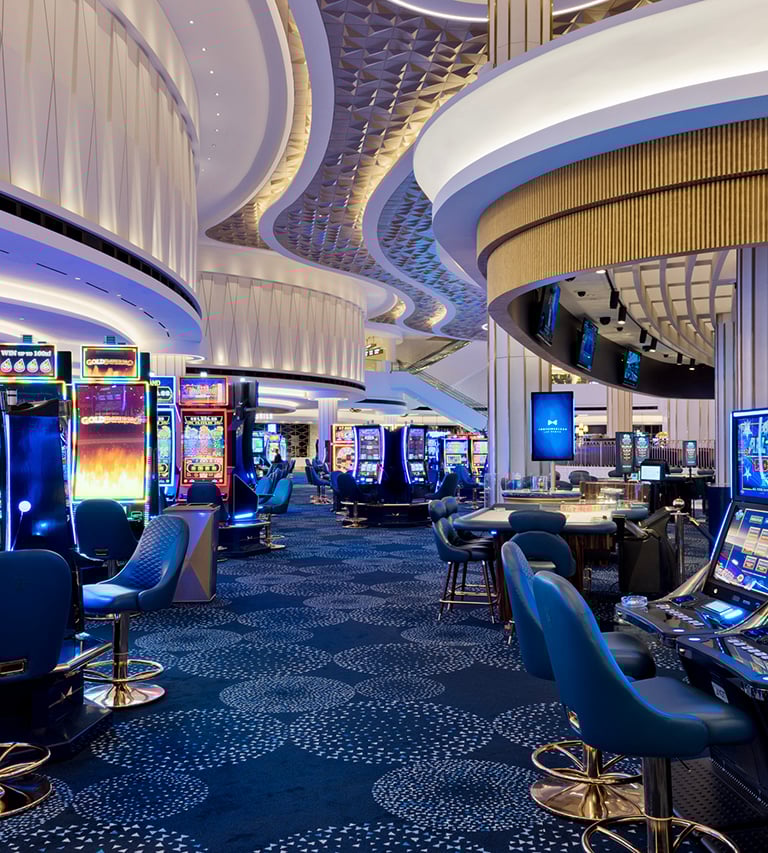
Additionally, the carefully curated decor and ambiance of casinos amplify this allure. Bright lights, captivating sounds, and vibrant colors create a multisensory experience that heightens arousal and excitement. The atmosphere actively encourages continued play, as the environment fosters a sense of optimism and hope for a big win. This combination of sensory stimulation and emotional engagement forms a powerful attraction, pulling individuals deeper into the captivating world of chance and risk.
The psychology of gambling
Delving into the psychology behind gambling reveals why it holds such a strong grip on many individuals. Cognitive biases significantly influence how players perceive their chances of winning. A prime example is the illusion of control, where players mistakenly believe they can affect the outcome of a game, despite the dominance of luck. This belief can lead to increased gambling frequency, as individuals feel empowered to sway results in their favor through their actions or skills.
Another critical psychological component is the near-miss effect. When players come close to winning—such as landing two matching symbols on a slot machine—they experience a surge of excitement, prompting them to continue playing. This near-miss sensation can create a compelling narrative that victory is just a few attempts away, making it challenging for individuals to walk away from the game. Such experiences reinforce the gambler’s mindset, illustrating how psychology intertwines with gambling behavior.
Moreover, the social aspect of gambling plays a significant role in its appeal. Many players relish the camaraderie that develops within a casino environment, sharing laughter and conversations with fellow gamers. This social interaction enriches the overall experience, allowing players to feel a sense of belonging amid the uncertainties of game outcomes. This blend of psychological factors illustrates why gambling continues to attract millions worldwide, underscoring the intricate interplay between risk, reward, and human behavior.
Risk and reward: a delicate balance
The intricate relationship between risk and reward lies at the heart of our fascination with gambling. Humans are inherently wired to seek rewards, and in casinos, the potential for significant payouts can be incredibly enticing. The prospect of hitting a life-changing jackpot creates a powerful narrative that motivates players to embrace risk. Importantly, this narrative extends beyond monetary gain; it also encompasses the feelings of accomplishment and excitement that accompany winning.
However, this risk-reward dynamic can lead to adverse consequences. Many individuals may find themselves drawn into high-stakes gambling, convinced they can recoup losses or achieve even greater wins. This mindset can spiral into problematic behavior, emphasizing the need for a strong understanding of one’s limits and the potential for addiction. Recognizing the psychological triggers that compel individuals to gamble is essential for both players and the industry, paving the way for responsible gambling practices.
To maintain the right balance between risk and reward, many casinos implement features that promote responsible gaming. For instance, they may offer tools that allow players to set limits on their spending and time, enabling them to manage their engagement without succumbing to harmful cycles. Promoting a healthy relationship with gambling is crucial, as it allows individuals to enjoy the thrill of the game while safeguarding their well-being. This delicate equilibrium is vital for ensuring that gambling remains a source of entertainment rather than distress.
The impact of technology on gambling
The technological revolution has profoundly transformed how we engage with gambling. From online platforms to mobile applications, the digital age has made gambling more accessible and convenient than ever. This newfound accessibility enhances the excitement surrounding risk and reward, enabling players to participate whenever and wherever they choose. Online casinos successfully replicate the vibrant atmosphere of traditional venues while offering added convenience, drawing in new players who may not have previously considered gambling.

Moreover, technology facilitates innovative gaming experiences tailored to diverse preferences. Interactive online games often incorporate gamified elements such as rewards, leaderboards, and social interactions, amplifying the thrill of gambling. These advancements cater to our desire for engagement and community, making it easier to forge connections with others while enjoying a shared experience. The combination of excitement and social interaction creates a compelling environment for players, fostering a sense of belonging.
Additionally, data analytics and artificial intelligence empower casinos to personalize experiences for individual players. By analyzing player behavior, casinos can craft tailored offers, promotions, and gaming options that resonate with their audience. This level of customization not only enhances player satisfaction but also encourages continued engagement, further solidifying the bond between technology, risk, and the love for gambling. Understanding these technological advancements is crucial for grasping the current landscape of casinos and gambling behavior.
Your gateway to understanding gambling
For those seeking to explore the psychology of risk and the dynamics of gambling more deeply, a wealth of resources is available to enhance knowledge and foster responsible play. Websites dedicated to gambling education provide valuable insights into the psychological aspects of gambling, risk management strategies, and responsible gaming practices. Engaging with these resources can empower individuals to better understand their motivations and behaviors, leading to informed and healthier choices.
Moreover, immersing oneself in educational content can help players recognize the signs of problem gambling, promoting a healthier approach to their gaming experiences. By grasping the psychological triggers and risk factors involved, individuals can navigate their gambling habits more effectively and enjoy the thrill without negative consequences. Awareness and education are essential components in cultivating a balanced relationship with risk and reward.
In conclusion, the psychology of risk is a captivating field that intertwines with our love for casinos. By examining these facets, players can foster a more informed and enjoyable experience in the gambling world. Striking the right balance between excitement and responsibility ensures that the allure of risk remains a positive force in our lives, opening doors to both enjoyment and personal growth.